Spring is often seen as a time of renewal—a chance to clear out what no longer serves us and make space for something healthier.
But many people move through daily life pushing through discomfort, ignoring tension, or feeling unable to fully relax even when they try.
Sometimes pain gets brushed aside because life feels too busy to stop. Other times, rest feels uncomfortable because the body has become so used to staying alert.
This month’s articles explore two important parts of whole-person care:
- How pushing through pain can lead to bigger physical problems over time
- Why relaxation can feel difficult—and how to gently support your nervous system
Both your muscles and your nervous system communicate with you every day. Learning to listen early can make a meaningful difference in how you feel, move, and live.
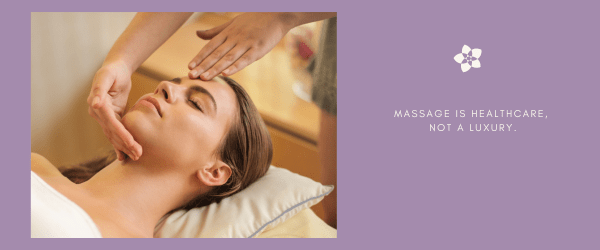
Massage Therapy – The Hidden Cost of “Pushing Through” Pain
Most people are very good at pushing through discomfort.
A tight shoulder.
A sore neck.
An aching low back.
You tell yourself, “It’s not that bad.”
Or, “I’ll deal with it later.”
Or, “I don’t have time to stop.”
And so you keep going.
But the truth is, pushing through pain almost always costs more in the long run.
Why So Many People Ignore Pain
There are good reasons people push through discomfort.
You may be busy caring for family.
Working long hours.
Managing responsibilities that feel non-negotiable.
Pain often gets pushed to the bottom of the priority list because there always seems to be something more urgent.
Sometimes there’s also a belief that pain is just part of getting older or part of living a busy life.
But pain is not something your body creates randomly.
Pain is communication.
It’s your body’s way of asking for attention.
What Happens When Pain Is Ignored
When discomfort is ignored, the body adapts—but not in a helpful way.
Instead of resting or healing, muscles begin to compensate.
For example:
- A tight shoulder causes you to move differently
- A sore low back changes how you stand or walk
- Neck tension leads to headaches or jaw tightness
Over time, these small adjustments create larger patterns of tension, and what started as mild discomfort can turn into chronic pain.
Many people don’t seek help until pain becomes severe enough that they can’t ignore it anymore.
By then, recovery often takes longer.
The Difference Between Discomfort and Warning Signs
Not all soreness is serious—but there are signs your body is asking for help.
Pay attention if you notice:
- Pain that keeps returning
- Tightness that never fully goes away
- Headaches related to neck or shoulder tension
- Difficulty sleeping due to discomfort
- Feeling stiff most mornings
- Needing to stretch constantly just to feel normal
These are not signs to ignore.
They are signals to listen more closely.
Why Early Care Matters
Addressing tension early is one of the most effective ways to prevent long-term problems.
Massage therapy helps by:
- Releasing muscle tension before it becomes chronic
- Improving circulation to tight or overworked areas
- Supporting recovery from repetitive strain
- Helping your body move more naturally
- Encouraging relaxation of the nervous system
Regular care is not just about relaxation—it’s about maintenance and prevention.
Just like routine dental cleanings help prevent cavities, regular massage can help prevent long-term muscle problems.
Listening to Your Body Is a Form of Self-Respect
Your body carries you through your daily life.
It deserves attention—not just endurance.
Pushing through pain may feel productive in the moment, but responding to your body’s signals is what truly supports long-term health.
If you’ve been ignoring tension or discomfort, this may be a good time to pause and ask:
What has my body been trying to tell me lately?
Small steps taken early can prevent bigger problems later.
If you’re noticing tension that keeps returning, massage therapy can help support your body before discomfort turns into something more persistent.

EFT Tapping – When Relaxation Feels Uncomfortable
Most people believe relaxation should feel good.
So when it doesn’t, it can feel confusing—or even frustrating.
You sit down to rest…
And your mind starts racing.
You try to relax…
And your body feels restless.
You finally have time to slow down…
And you feel uneasy instead of calm.
If this sounds familiar, you’re not alone.
And there’s nothing wrong with you.
Why Relaxation Doesn’t Always Feel Safe
When your body has been under stress for a long time, your nervous system becomes used to being alert.
This state is often called fight, flight, or freeze.
It’s your body’s natural survival response.
The challenge is that when stress becomes chronic, your nervous system can begin to see constant activity and tension as “normal.”
So when things finally slow down, your body may interpret that stillness as unfamiliar—or even unsafe.
That’s why relaxation can feel uncomfortable for some people.
Signs That Relaxation Feels Difficult
You may notice:
- Restlessness when you try to sit still
- Racing thoughts during quiet moments
- Feeling tense even during rest
- Difficulty falling asleep despite feeling tired
- Feeling guilty or uneasy when not being productive
- Trouble “shutting off” your mind
These are often signs of a nervous system that has been working overtime.
Not weakness.
Not failure.
Just a body trying to protect you.
Why Forcing Relaxation Doesn’t Work
Many people believe they just need to “try harder” to relax.
But forcing relaxation often backfires.
When the nervous system feels unsafe, it resists sudden change.
That’s why gentle approaches work best.
Instead of pushing your body into calm, it helps to create safety gradually.
This is where EFT tapping can be especially helpful.
How EFT Tapping Helps the Body Feel Safer
EFT (Emotional Freedom Techniques), also known as tapping, combines gentle tapping on specific points of the body with focused awareness.
This process helps:
- Calm the nervous system
- Reduce stress signals in the body
- Support emotional release
- Build tolerance for relaxation
- Create a sense of safety in stillness
Over time, many people find that relaxation becomes easier—and more comfortable.
Not because they forced it, but because their nervous system learned that calm is safe.
Relaxation Is a Skill That Can Be Learned
If relaxation feels uncomfortable, it doesn’t mean you’re doing it wrong.
It means your body may need support in learning a new way to feel safe.
And that learning can happen gradually.
With patience.
With repetition.
With compassionate tools that support both mind and body.
A Resource to Support Your Practice
I offer a 30-minute monthly prerecorded EFT tapping session designed to support emotional regulation, stress relief, and nervous system balance.
Each monthly session:
- Focuses on a meaningful theme
- Can be used as often as needed
- Is available for $25
- Is delivered via email as a private link after purchase
Many people find it helpful to return to the same session multiple times, allowing the body to become more comfortable with relaxation and emotional release.
If relaxation has felt difficult lately, this may be a gentle place to begin.
Taking care of your body and nervous system isn’t about doing everything perfectly—it’s about paying attention before small signals become bigger problems.
Whether you’ve been pushing through physical discomfort or noticing that relaxation feels harder than it should, these experiences are your body’s way of asking for support.
Massage therapy can help address physical tension before it becomes chronic, while EFT tapping offers a gentle way to calm the nervous system and create a greater sense of ease.
Small steps taken consistently can lead to meaningful changes over time.
If you’ve been noticing signs of tension, discomfort, or difficulty relaxing, this may be a good time to pause, listen, and give your body the attention it deserves.